
Event Logistics in Thailand: Complete Operational Guide
Successful events depend on flawless logistics and operational execution. Managing event logistics in Thailand requires understanding local infrastructure, vendor relationships, and operational best practices.
Transportation Logistics
Airport Transfers
**Planning Considerations**:
- •Confirm arrival times for all participants
- •Arrange group pickups to minimize trips
- •Provide clear communication about pickup procedures
- •Have backup transportation in case of delays
**Options**:
- •Private car service for VIP guests
- •Shuttle service for groups
- •Luxury coach for large groups
- •Airport express train for budget-conscious travelers
**Cost**: ฿1,000-3,000 per person depending on group size and vehicle type
Inter-Hotel Transfers
**Planning Considerations**:
- •Coordinate timing with event schedule
- •Arrange comfortable transportation
- •Provide clear directions and communication
- •Have contingency plans for delays
**Options**:
- •Private cars for executives
- •Shuttle service for groups
- •Luxury coach for large groups
- •Tuk-tuks for short distances
**Cost**: ฿500-1,500 per transfer depending on distance
Activity Transportation
**Planning Considerations**:
- •Confirm participant numbers for each activity
- •Arrange appropriate vehicle sizes
- •Provide clear pickup and drop-off times
- •Have professional drivers and guides
**Options**:
- •Private cars for small groups
- •Minibuses for medium groups
- •Coaches for large groups
- •Speedboats for island activities
**Cost**: ฿1,000-3,000 per person depending on activity
Accommodation Management
Room Block Negotiation
**Key Points**:
- •Negotiate group rates 3-6 months in advance
- •Confirm room allocation and flexibility
- •Establish payment terms and cancellation policies
- •Arrange room upgrades for VIP guests
**Typical Rates**:
- •Budget hotels: ฿1,500-2,500 per room per night
- •Mid-range hotels: ฿2,500-5,000 per room per night
- •Luxury hotels: ฿5,000-10,000+ per room per night
Room Assignments
**Process**:
- •Collect room preferences and requirements
- •Assign rooms strategically for team dynamics
- •Provide clear room assignment information
- •Have contingency plans for changes
Check-In and Check-Out
**Considerations**:
- •Arrange early check-in if possible
- •Prepare welcome packages
- •Provide clear check-out procedures
- •Arrange luggage storage if needed
Catering and Dining
Menu Planning
**Considerations**:
- •Survey participants for dietary preferences
- •Plan diverse menus to appeal to all tastes
- •Include vegetarian and special diet options
- •Incorporate local Thai cuisine
**Typical Costs**:
- •Breakfast: ฿300-600 per person
- •Lunch: ฿500-1,200 per person
- •Dinner: ฿800-2,000 per person
- •Coffee breaks: ฿100-200 per person
Beverage Service
**Options**:
- •Coffee and tea service
- •Soft drinks and juices
- •Alcoholic beverages
- •Premium beverage packages
**Costs**: ฿50-300 per person depending on options
Special Dietary Requirements
**Common Requirements**:
- •Vegetarian and vegan meals
- •Gluten-free options
- •Halal and kosher meals
- •Allergy accommodations
**Process**:
- •Collect dietary requirements during registration
- •Communicate requirements to caterer
- •Verify accommodations before event
- •Have backup options available
Vendor Coordination
Venue Coordination
**Key Contacts**:
- •Venue manager
- •Catering manager
- •AV technical team
- •Housekeeping and maintenance
**Pre-Event Meeting**:
- •Confirm all details and specifications
- •Review floor plans and layouts
- •Test all AV and technical systems
- •Establish communication protocols
AV and Technical Services
**Requirements**:
- •Sound system and microphones
- •Projection and display systems
- •Lighting systems
- •Internet and WiFi
- •Technical support staff
**Verification**:
- •Test all systems before event
- •Have backup equipment available
- •Ensure 24-hour technical support
- •Establish troubleshooting protocols
Entertainment and Activities
**Coordination**:
- •Confirm performer arrival times
- •Verify equipment and technical requirements
- •Establish sound check procedures
- •Have backup entertainment options
Ground Transportation
**Coordination**:
- •Confirm vehicle availability and condition
- •Establish driver communication protocols
- •Verify insurance and safety standards
- •Have backup vehicles available
Communication and Coordination
Pre-Event Communication
**Participants**:
- •Send detailed event information
- •Provide transportation details
- •Share accommodation information
- •Include emergency contact numbers
**Vendors**:
- •Confirm all contracts and specifications
- •Provide detailed requirements and timelines
- •Establish communication protocols
- •Schedule pre-event meetings
On-Site Coordination
**Team Structure**:
- •Designate event manager
- •Assign team leads for key areas
- •Establish communication channels
- •Hold daily coordination meetings
**Communication Tools**:
- •Walkie-talkies for team communication
- •Mobile phones for emergencies
- •Group messaging for updates
- •Email for documentation
Post-Event Follow-Up
**Participants**:
- •Send thank you communications
- •Share photos and videos
- •Gather feedback through surveys
- •Provide event documentation
**Vendors**:
- •Settle all invoices and payments
- •Provide feedback and testimonials
- •Document lessons learned
- •Plan for future events
Risk Management
Contingency Planning
**Potential Issues**:
- •Weather delays or cancellations
- •Participant illness or emergencies
- •Vendor no-shows or failures
- •Technical difficulties
- •Transportation delays
**Mitigation Strategies**:
- •Develop contingency plans for key activities
- •Have backup vendors and services
- •Maintain emergency contact lists
- •Ensure comprehensive insurance coverage
Safety and Security
**Considerations**:
- •Verify venue safety standards
- •Ensure adequate security measures
- •Have medical support available
- •Establish emergency procedures
- •Maintain incident documentation
Budget Management
Cost Tracking
**Categories**:
- •Transportation: 15-20% of budget
- •Accommodation: 20-30% of budget
- •Catering: 20-25% of budget
- •Venue and AV: 15-20% of budget
- •Activities and entertainment: 10-15% of budget
- •Contingency: 5-10% of budget
Cost Control
**Strategies**:
- •Negotiate volume discounts
- •Bundle services for better rates
- •Monitor expenses throughout event
- •Identify cost-saving opportunities
- •Document all expenses
Conclusion
Successful event logistics require careful planning, vendor coordination, and attention to detail. By following best practices and working with experienced DMCs, you can ensure smooth, professional event execution that exceeds expectations.
About the Author
Thomas Brown is an expert in event management and destination services in Thailand. With years of experience managing corporate events and MICE programs, Thomas Brown provides insights into best practices and strategies for successful events.
Keep Reading
Related Articles
Explore more insights to enhance your event planning knowledge
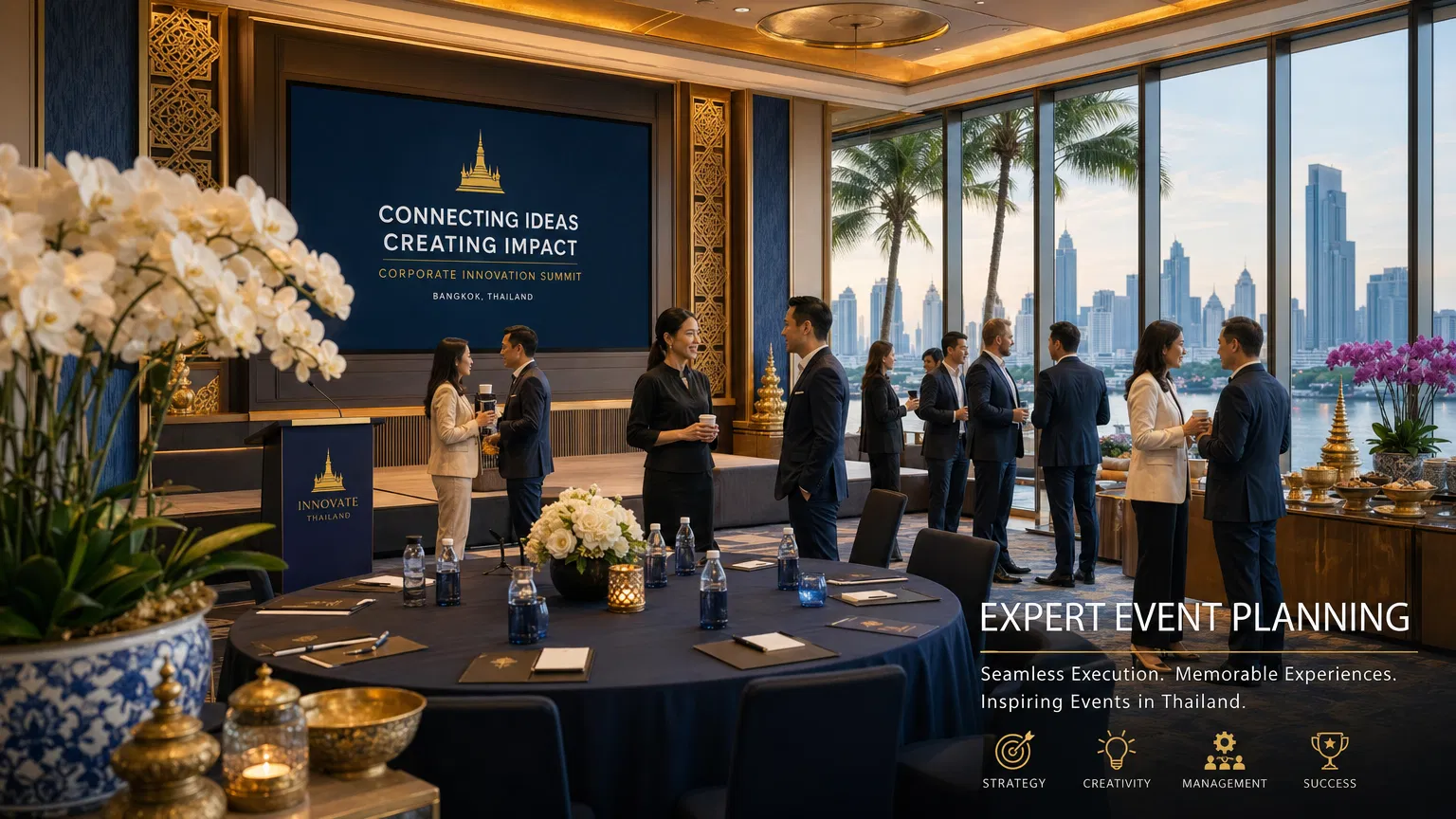
Complete Guide to Event Planning in Thailand: Best Practices for Fortune 500 Companies
Learn the essential steps for planning successful corporate events in Thailand, from venue selection to cultural considerations and logistics management.

MICE Events in Thailand: A Complete Strategy for International Delegations
Comprehensive guide to planning MICE (Meetings, Incentives, Conferences, Exhibitions) events in Thailand with expert strategies for international delegations.
Bangkok Conference Planning: Guide to Thailand's Business Capital
Complete guide to planning conferences in Bangkok, covering venue selection, logistics, and strategies for international business events.